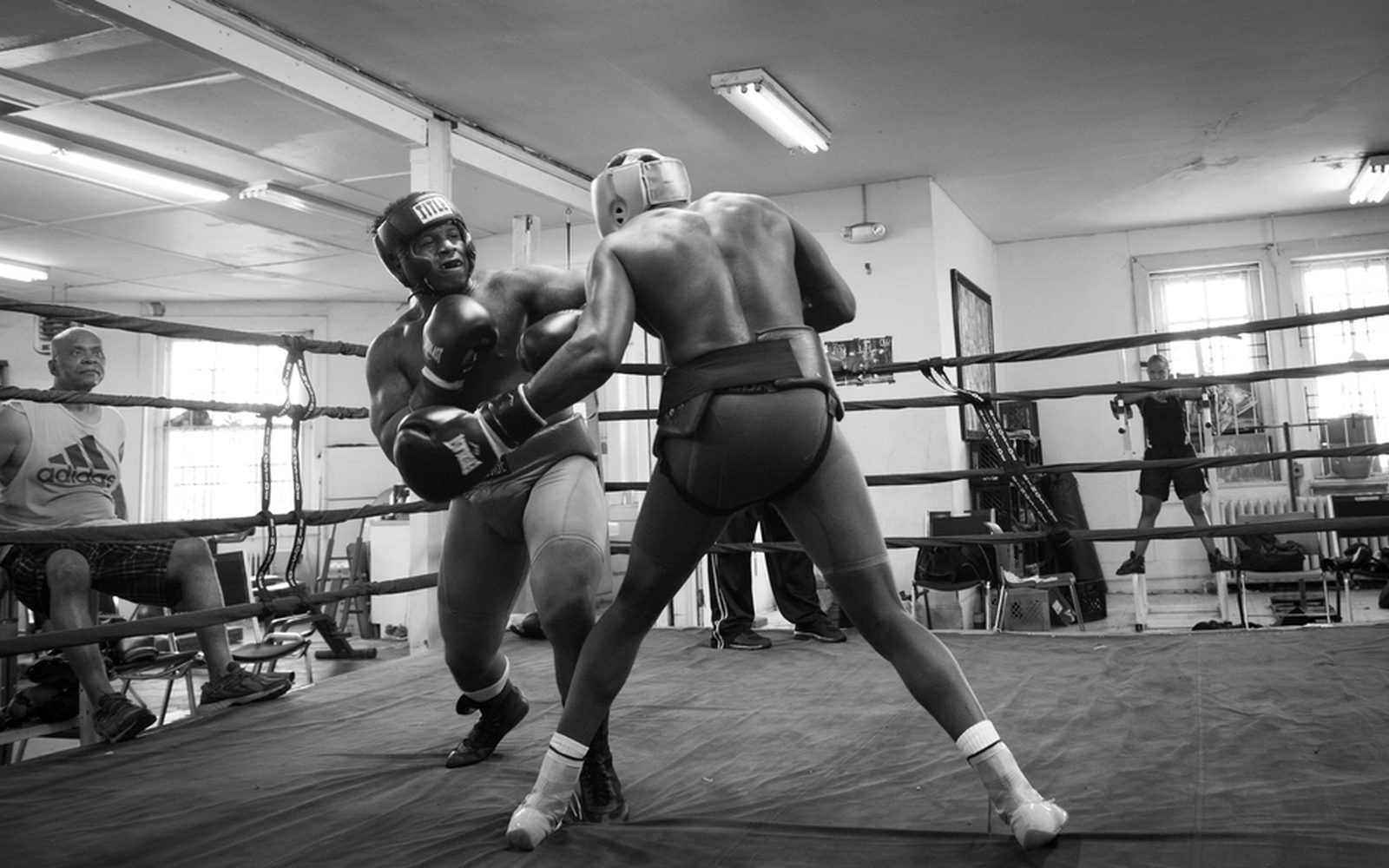
Sport already has drama built into it. So why has the documentary series — slow, long-form, and expensive — become the format that moves audiences most?
The short answer is that a result is not a story. A result is an outcome. The story is everything that made the outcome possible, and almost none of it happens in front of a camera on match day.
Access changed what was possible
For most of broadcast history, the athlete was a figure seen at a distance: in competition, in a press conference, in a highlight package. The relationship was one of spectacle. What shifted was access — teams, leagues and athletes themselves became willing to open up training, injury, family, doubt and failure to cameras.
That willingness did not appear because of generosity. It appeared because athletes understood that their own narrative was a valuable asset, and that letting someone else define it was a risk. The docuseries became the venue where that negotiation plays out.
The audience is not who broadcasters assumed
The most useful thing about long-form sports documentary is who it reaches. A well-made series regularly pulls in viewers who do not follow the sport, do not know the athlete, and would never watch a live event. They are there for the person, not the competition.
You do not need to care about the sport to care about someone trying to be great at something.
That is a meaningfully larger audience than the one available to any single league — and it is why brands and platforms have moved so quickly into the space.
What separates the good ones
Most sports docuseries fail in the same way: they mistake access for story. Being in the room is not the same as having something to say about what happens in it. The series that endure tend to share a few traits:
- A real question. Not "what is this athlete like," but something with stakes and an uncertain answer.
- Time. Trust is what produces the moments that matter, and trust is a function of how long you stay.
- Willingness to show failure. A series where the subject never struggles is a promotional video, and audiences can tell instantly.
- Craft. Sport is cinematic. Shooting it like a press conference wastes the single biggest advantage of the subject.
When we built GRIT, the question was not who wins. It was what a person is willing to give up to keep going — a question that does not resolve when the season ends.