Remote production is usually sold as a cost story. That undersells it, and it also hides the part that actually determines whether it works.
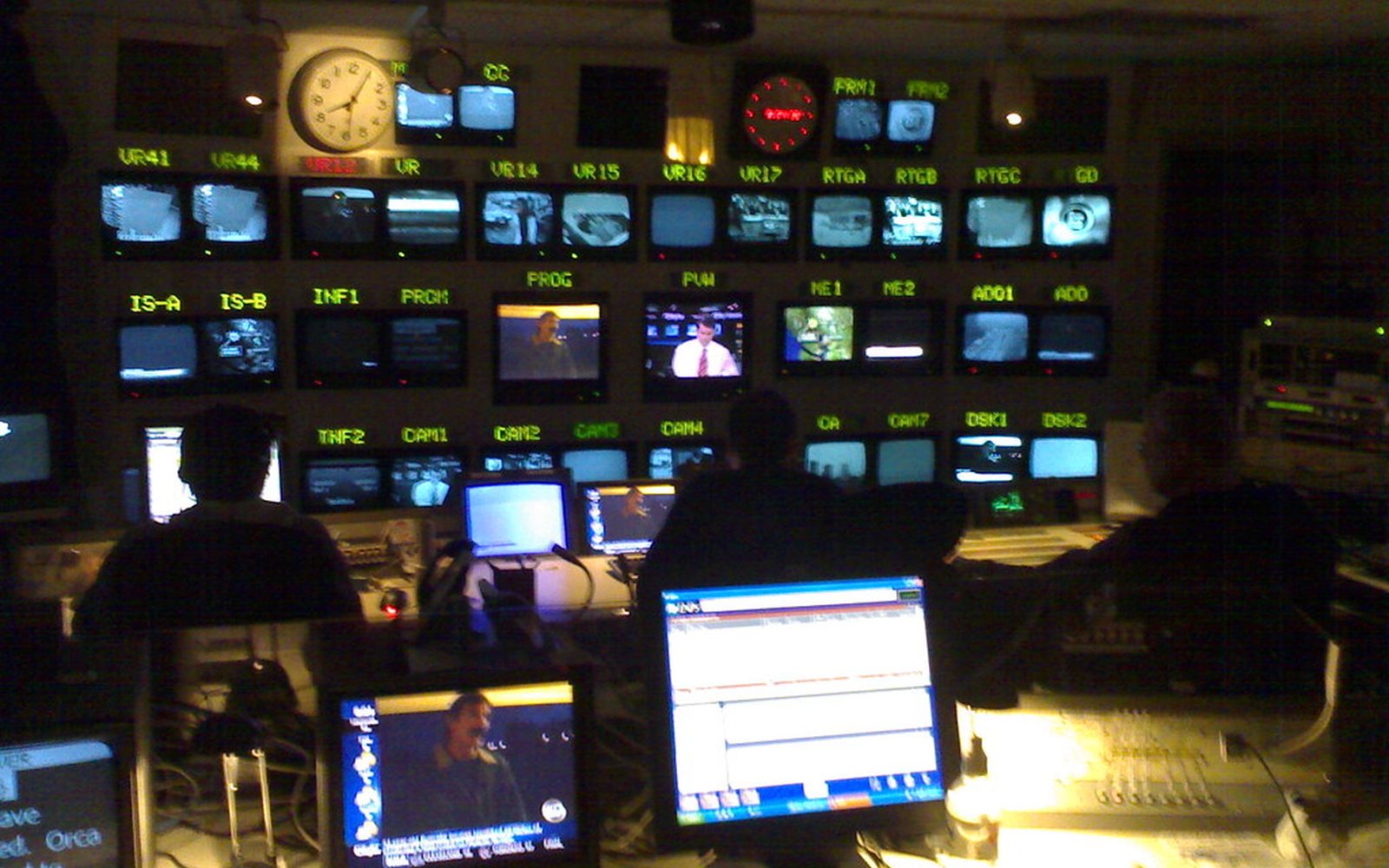
The mechanics are simple enough to describe. Cameras, audio and talent stay at the venue. The signal travels to a control room somewhere else — a facility, a regional hub, or increasingly a set of cloud services — where switching, replay, graphics and audio mixing happen. Fewer people travel. Less equipment ships.
The real saving is not the trucks
Yes, you spend less on travel and on rolling a full outside broadcast unit to every venue. But the more significant gain is utilisation: a control room that would have served one match per day can serve several, and senior operators who would have spent two days travelling can work three events instead.
That matters most for the events that could never justify a full production before. Lower-tier leagues, youth competitions, qualifiers, and regional tournaments become viable to cover properly. The ceiling does not rise much — the floor rises enormously.
Where the risk moves
Distributed production does not remove risk. It relocates it. Connectivity becomes the single point of failure that everything else depends on, which means the questions worth asking are unglamorous:
- What is the backup path, and has anyone actually failed over to it under load?
- How much latency exists between the director's call and the camera operator hearing it — and has the crew worked at that latency before?
- Who at the venue can solve a hardware problem without the engineer who would normally be standing next to them?
The technology is mature. The habits are what fail.
Communication is the whole job
The consistent difference between a smooth remote show and a rough one is not bandwidth. It is whether the on-site crew and the remote gallery have worked together before.
When a director and a camera operator have a shared history, a half-sentence is enough. When they do not, every instruction has to be complete, and the small delay in a distributed system turns that into missed shots. This is why the most useful investment in remote production is usually rehearsal time with the actual crew — not more equipment.
Treat it as a technical migration and it will feel fragile. Treat it as a change in how a team works together and it becomes the default.